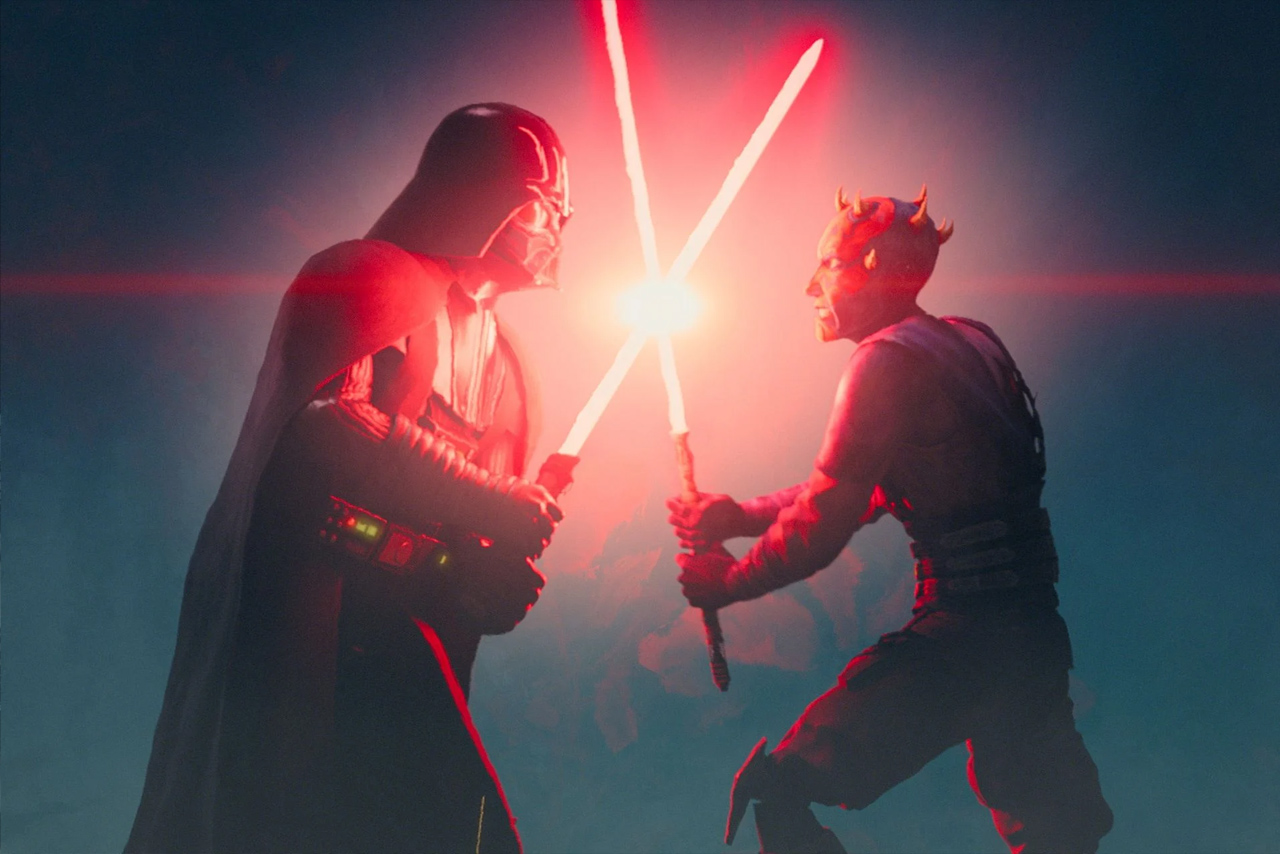
The Star Wars galaxy has seen many interpretations of its most iconic villain, but few creators understand the machinery of the Sith quite like Lucasfilm’s Chief Creative Officer. Following the explosive finale of Maul: Shadow Lord on Disney+, Dave Filoni shared insights into his specific Darth Vader philosophy, explaining the chilling mindset that drives the Dark Lord during his most violent encounters.
Speaking at a special screening event for the animated series’ finale, Filoni delved into why Vader remains such a terrifying force of nature. For fans who witnessed Vader’s relentless pursuit of Maul and the Jedi in the latest episodes, the explanation offers a haunting look into the psyche of a man who has completely discarded his humanity.
The Death of Anakin Skywalker
According to Filoni, the defining trait of Vader is his absolute refusal to acknowledge his former self. “The key to Vader for me is that he’s not Anakin,” Filoni explained. He noted that Vader views any reminder of his past life as a threat that must be eliminated. This isn’t just about tactical efficiency; it is a psychological necessity.
When Vader encounters a Jedi, or even a former friend like Ahsoka Tano, he doesn’t see a person. He sees a mirror reflecting the life he betrayed and the friends he murdered. To live with himself, he must shatter that mirror. Filoni suggests that Vader is fully aware of the “bad trade” he made with Darth Sidious, and because the truth of his failure is too painful to bear, he chooses to exist in a state of pure, destructive hate.
Vader as a Force of Nature
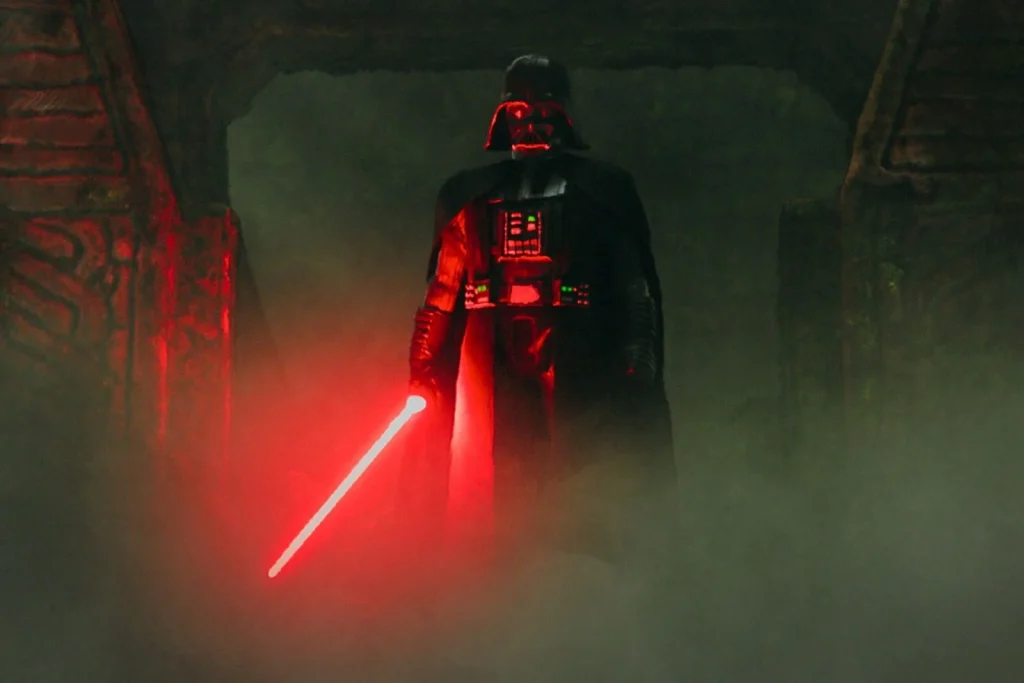
One of the most striking aspects of Dave Filoni’s Darth Vader philosophy is the idea that Vader is “devoid of character.” While Anakin was full of passion, humor, and conflict, Vader has stripped those layers away. Filoni compared Vader’s presence in Maul: Shadow Lord to his legendary “hallway scene” in Rogue One: A Star Wars Story.
In those moments, Vader doesn’t engage in dialogue or posturing. He is a destroyer. Every swing of his lightsaber carries the weight of his remorse and anger, but it is directed outward at the galaxy rather than inward at himself. This lack of compassion makes him more than just a villain; it makes him a personification of the Dark Side’s ultimate end goal: total isolation through destruction.
Honoring the Lucas Legacy
Filoni was also careful to mention that his approach is rooted in the foundations laid by George Lucas. He views Vader as the “backbone” of the entire Star Wars saga and believes that any use of the character must serve the greater lesson of the tragedy. For Filoni, Vader serves as a terrifying reminder of what happens when one gives in to their worst impulses.
By showing Vader at his most brutal, Maul: Shadow Lord reinforces the stakes of the Star Wars universe. It shows that the Dark Side isn’t just a different set of powers, it is a corrosive force that leaves nothing behind but a shell of a man who “does not see you,” but only the thing he wants to destroy.
For fans of the series, this deep dive into the Sith mindset explains why the duel between Maul and Vader felt so visceral. While Maul is a character defined by his struggle to let go of hate, Vader is a character who has been entirely consumed by it. As Maul: Shadow Lord concludes its run on Disney+, these insights ensure that the Dark Lord’s shadow will loom larger than ever over the future of Star Wars storytelling.
No Comments yet!